

21
Sep 2026
How to Start Poultry Farming in Nigeria With ₦100,000 or Less
You don't need millions to start a poultry business. Here's a realistic, step-by-step plan to raise your first batch of birds and turn a profit — even on a tight budget.

AgricPal stands beside every young farmer—as guide, partner, and digital assistant—
empowering you to build Africa’s agricultural future, even offline.
No 17 Kilanko Street,
Ilorin South, Kwara State
Nigeria
Call Support: +234 810 201 6011

Mail Support:
info@agricpal.com
Mon - Sat: 8:00 AM – 6:00 PM
Sundays & Public Holidays: Closed

No 17 Kilanko Street, Ilorin South, Kwara State, Nigeria
+234 810 201 6011
info@agricpal.com

Insights, Opportunities & Impact


Get alerts on new grants, marketplace opportunities, learning tips, and token rewards—
tailored for Nigerian youth in agribusiness.
Showing 1–5 of 5 AgricPal Updates
21
Sep 2026
You don't need millions to start a poultry business. Here's a realistic, step-by-step plan to raise your first batch of birds and turn a profit — even on a tight budget.

20
Aug 2026
Nigeria is an agricultural paradox. Despite vast arable land, abundant water, and a youthful population, the nation spends billions importing food it can grow. Once a global powerhouse with groundnut pyramids, cocoa, palm oil, and cotton, Nigeria now struggles with insecurity, broken value chains, and policy instability. Yet, bright spots in rice, palm oil, and agritech startups show that the sleeping giant can still awaken—if bold decisions are made.
26
Jul 2026
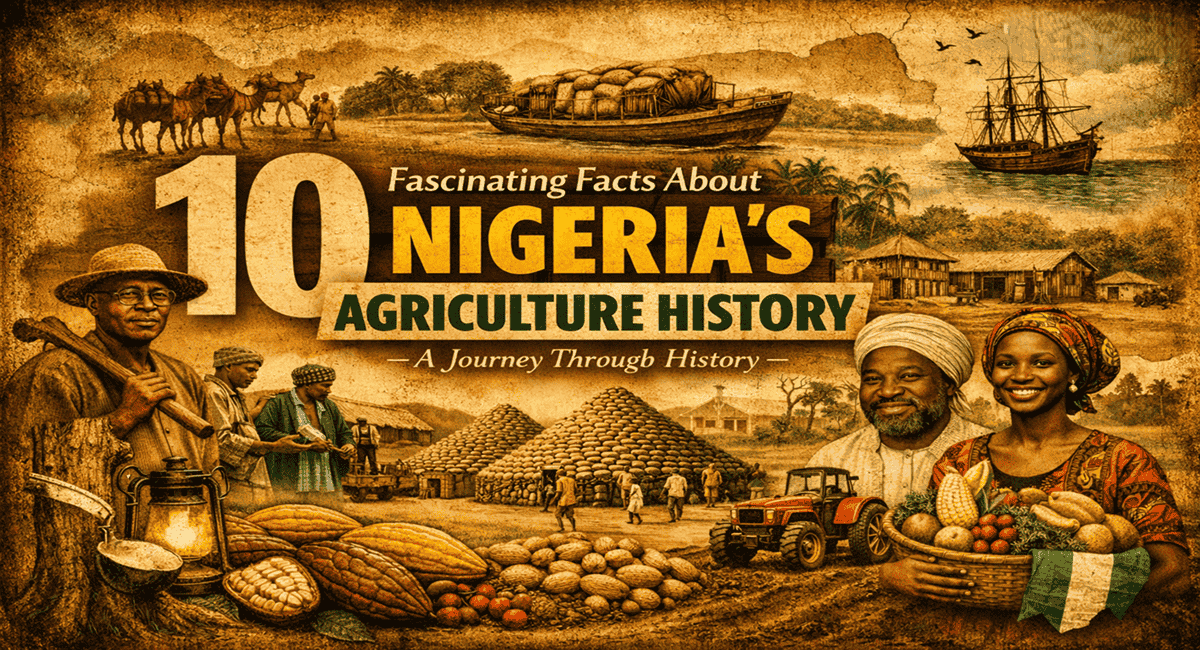
Nigeria’s agricultural journey spans over 3,000 years—from ancient yam cultivation in the Nok Culture to the iconic Groundnut Pyramids of Kano and today’s rise of agri-tech startups. This rich history reveals how traditional knowledge, colonial cash crops, and modern innovations have shaped the nation’s food systems and economic growth.
26
Jul 2026
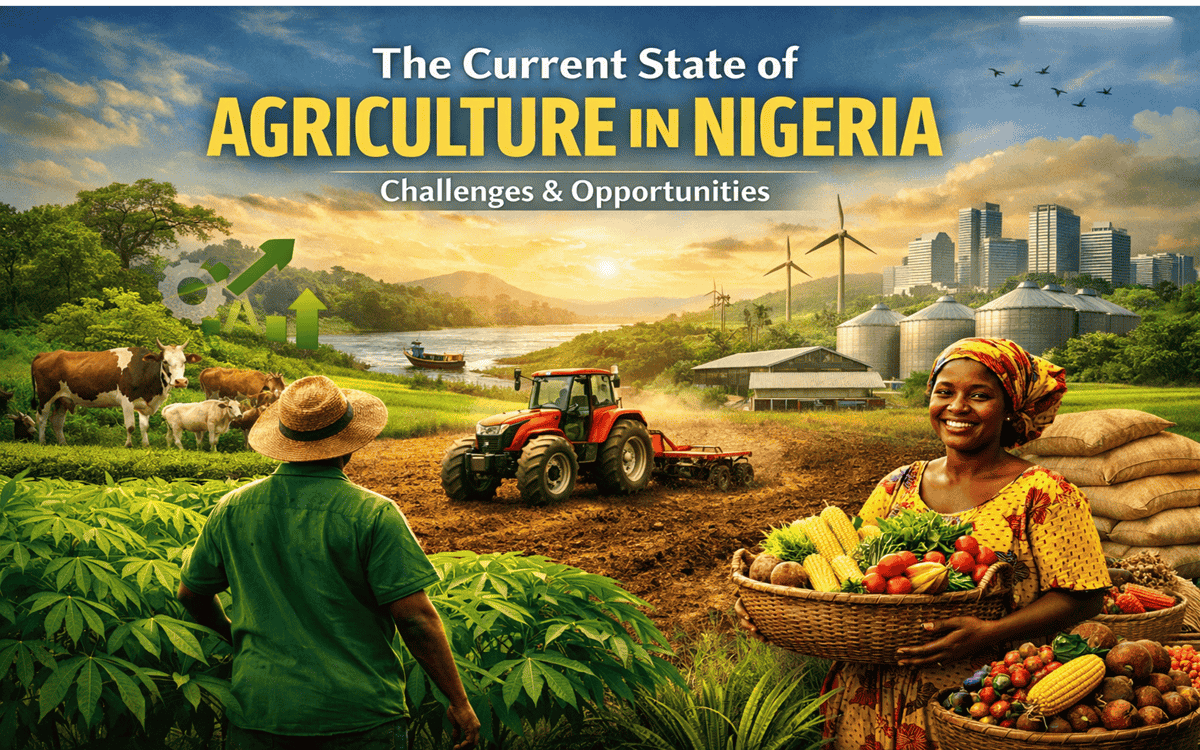
Agriculture is the backbone of Nigeria’s economy, contributing 23.7% to the country’s GDP (as of 2023) and employing over 36% of the labor force. With a population exceeding 230 million and a growing demand for food, Nigeria’s agricultural sector holds immense potential for economic diversification, job creation, and food security. However, despite its vast arable land (over 70 million hectares), favorable climate, and rich biodiversity, Nigeria still struggles with low productivity, post-harve
25
Jul 2026
Everything a young Nigerian agripreneur needs to apply for the 2026 youth agri-grant — from mentor attestation to writing a proposal reviewers can fund.